중간지점 둘
2024년 10월 4일 –10월 24일
13:00 – 19:00
월요일 휴관
⧝ 작가: 김보경
⧝ 글: 김화용, 전진성, 정유리
⧝ 가구 디자인: 정유리 (정유리건축사사무소)
⧝ 그래픽 디자인: 코우너스
⧝ 영문 번역: 김아영
⧝ 사진: 김경태
⧝ 주최/주관: 김보경
⧝ 후원: 한국문화예술위원회
✴︎*✴︎
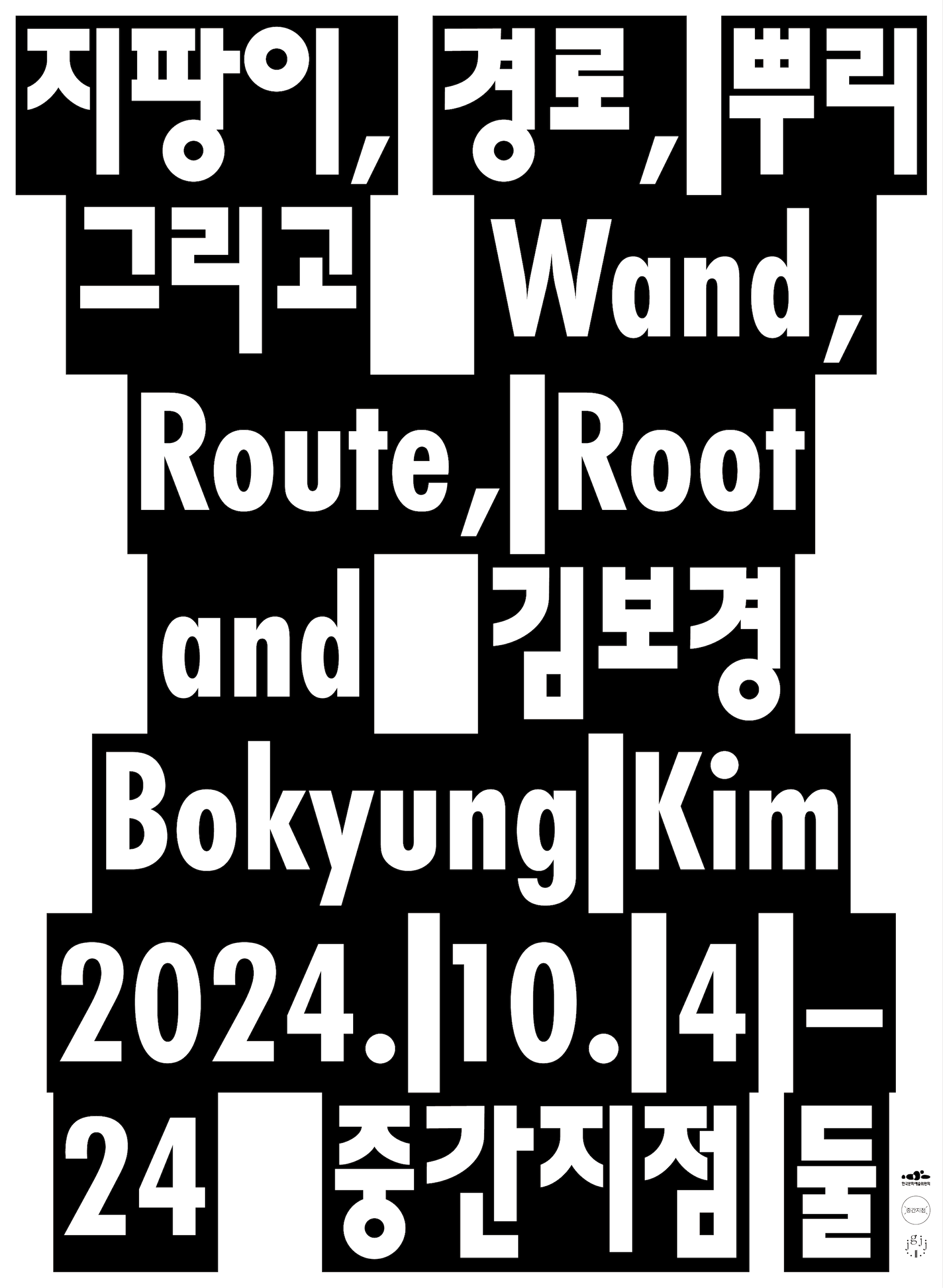
Wand, Route, Root and — the exhibition
Jungganjijeom II
October 4 — 24, 2024
13:00 — 19:00, closed on Mondays
⧝ Artist: Bokyung Kim
⧝ Writing: kim hwayong, Jin-Sung Chun, Yuri Jeong
⧝ Furniture Design: Yuri Jeong (Yuri Jeong Architects)
⧝ Graphic Design: Corners
⧝ Translation: A Young Kim
⧝ Photo: Kyoungtae Kim
⧝ Organised by Bokyung Kim
⧝ Supported by Arts Council Korea
공간에 한 발을 내딛기에 앞서 아카이브의 무게에 대해 상상해 봅니다. 역사적 순간이 담긴 이미지들을 뒤쫓으며, 고해상도의 세상에서 희미해져 가는 것들의 무게는 지나간 시간만큼 가벼워졌을까요? 아니면 끊임없이 앞으로 가고 있는 시간만큼 무거워지고 있을까요?
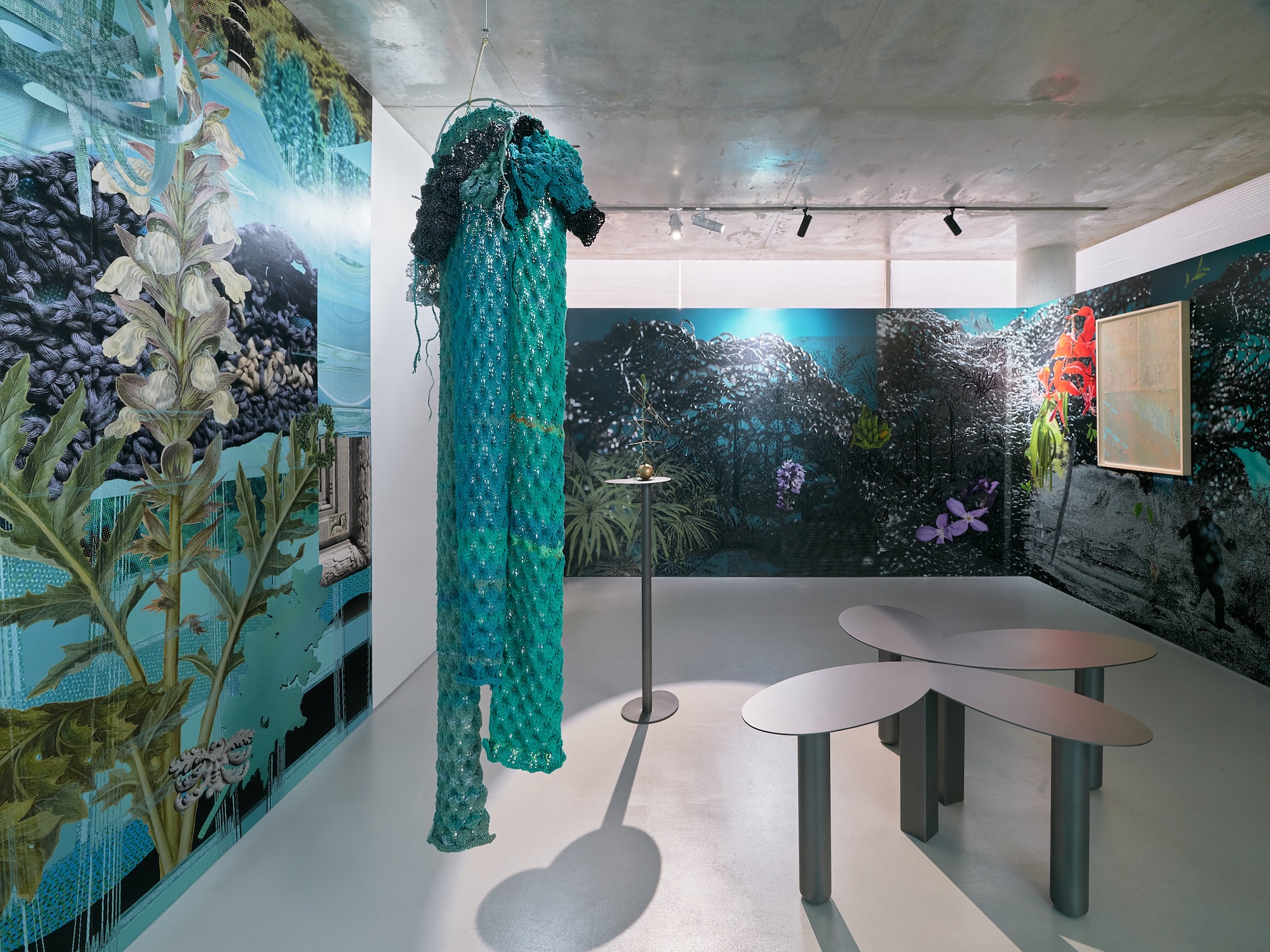
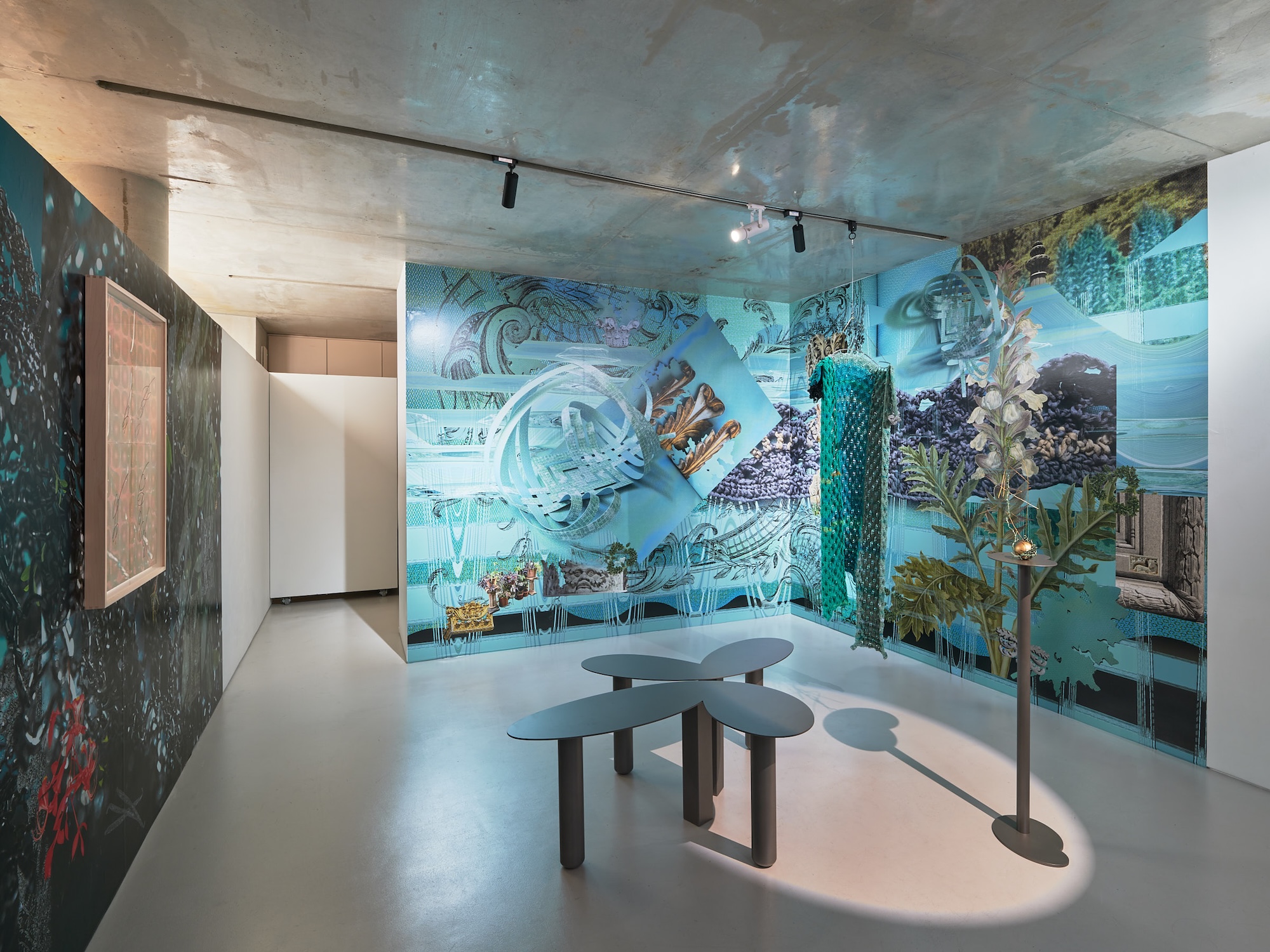
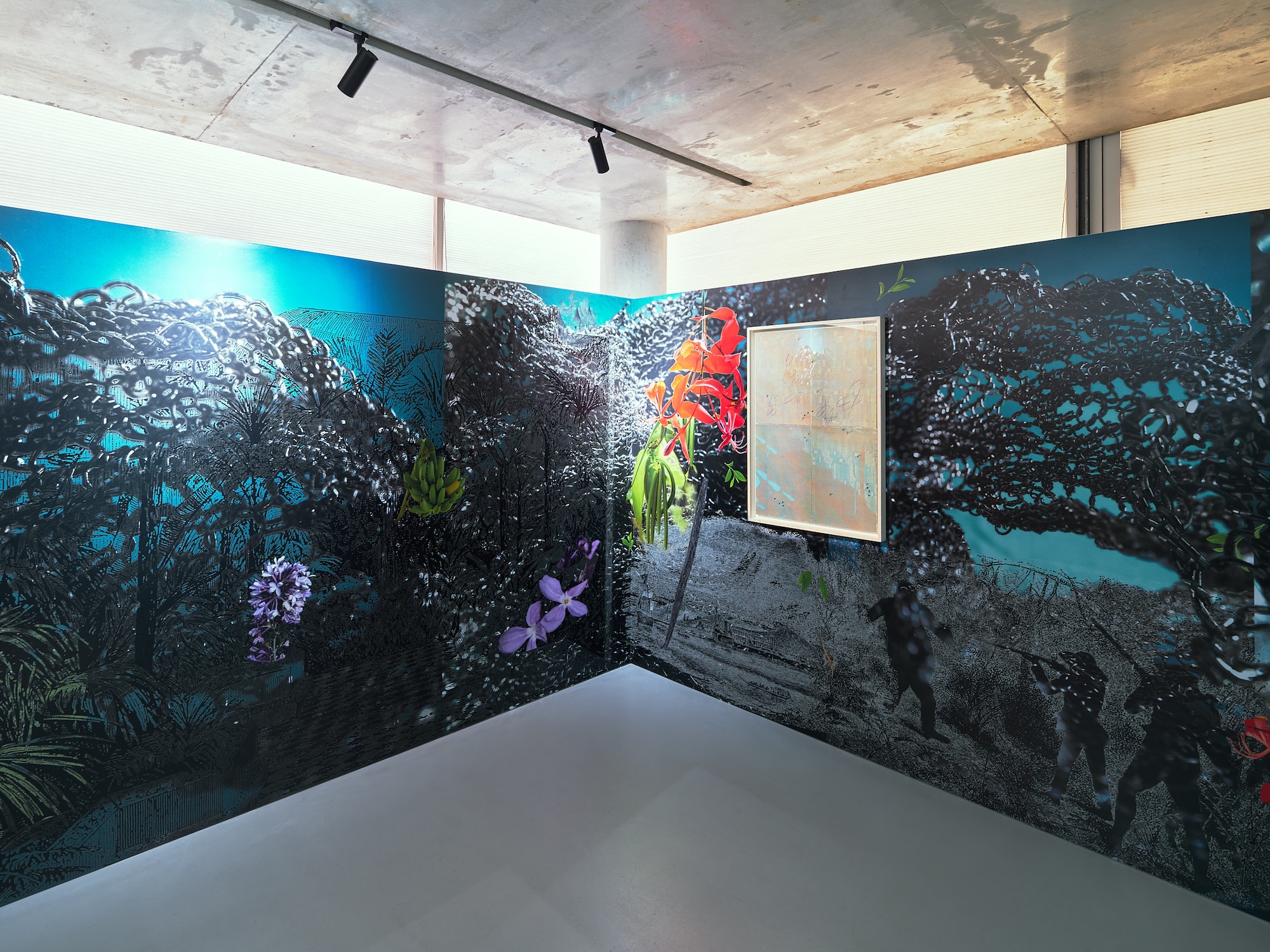
그렇다면 벽의 무게는 어떨까요? 벽은 건축물에서 수직적으로 주요한 요소이자, 한계, 어려움, 관계 혹은 교류의 단절 등 비유적 표현으로 사용하기도 합니다. 하지만 인류는 물리적 심리적으로 우리 앞에 서 있는 이 벽 위에 그림을 그리기 시작했고, 구석기시대부터 현대에 이르기까지 벽화는 다양한 국가와 문명에서 그 시대의 서사를 나타납니다. 동굴벽화를 시작으로 벽지, 그라피티 등과 같은 형태로 변모하며, 벽이 될 수 있는 모든 벽 위에서 지속적인 영향력을 보여주고 있습니다. 이 수많은 벽에 나타나는 이미지의 내용은 그 시대의 개인적 사회적 이슈가 기록되어 표현과 소통의 장이 되었습니다. 벽은 변화를 일으키며 그 자체가 공간적 아카이브로 거듭나 시대의 역사를 투영합니다.
작가는 식민 건축물을 통해 역사와 관계 맺고, 토지를 공통분모로 삼는 건축물과 식물의 연결고리 그리고 이동성에 주목합니다. 그 과정 속에서 건축물의 식물 장식과 식물 제국주의에 관심을 갖고 작업을 전개합니다. 주로 아카이브 이미지를 토대로 뜨개, 직조, 매듭, 리소 프린트, 콜라주, 공간 설치와 같은 시각적 매체를 통해 재구축하고, 역사의 빈틈을 매워가며 경험 가능한 역사를 모색하고자 합니다. 이번 중간지점 둘에서 선보이는 전시는 책의 형태로 이동하여 궤적을 모아보며 종이 공간에서의 복기를 꾀합니다. (김보경)
Imagine the heaviness of an archive before stepping into the exhibition space. Chasing after images that capture historic moments, have those vanishing in the era of high resolution become lighter as the amount of time that has passed? Or are they becoming heavier as time keeps moving forward?
Then what about the heaviness of a wall? A wall is not only a major vertical element in architecture but also a metaphor for limitations, challenges, ruptured relationships or interactions. Yet, human beings started to draw on these walls that stand right before us, both physically and psychologically. Such wall paintings tell us stories of various countries and civilisations across different eras, from the Palaeolithic era to modern times. Starting as cave paintings, wall paintings have now evolved into many different forms such as wallpaper and graffiti and continue to show their presence on anything that can be a wall. Images on walls have been projecting, representing and documenting personal or social issues and interests of the time, serving as a platform for expression and communication. Walls project the history of the era as they grow into spatial archives that spark changes.
The artist engages with history through colonial architecture. She focuses on the mobility of plants and the relationship between plants and architecture that share land as a common ground. Botanical relief on architecture and colonial botany are major sources of inspiration for her artistic practice. She starts by collecting archival images, then translates them into a variety of artistic mediums such as knitting, weaving, knotting, risograph printing, collage and installation to create a tangible history while filling in the unwritten pages of history. Wand, Route, Root and - the exhibition presented at Jungganjijeom Ⅱ will continue on a paper space in the form of a book, compiling traces from her artistic journey throughout Wand, Route, Root and. (Bokyung Kim)